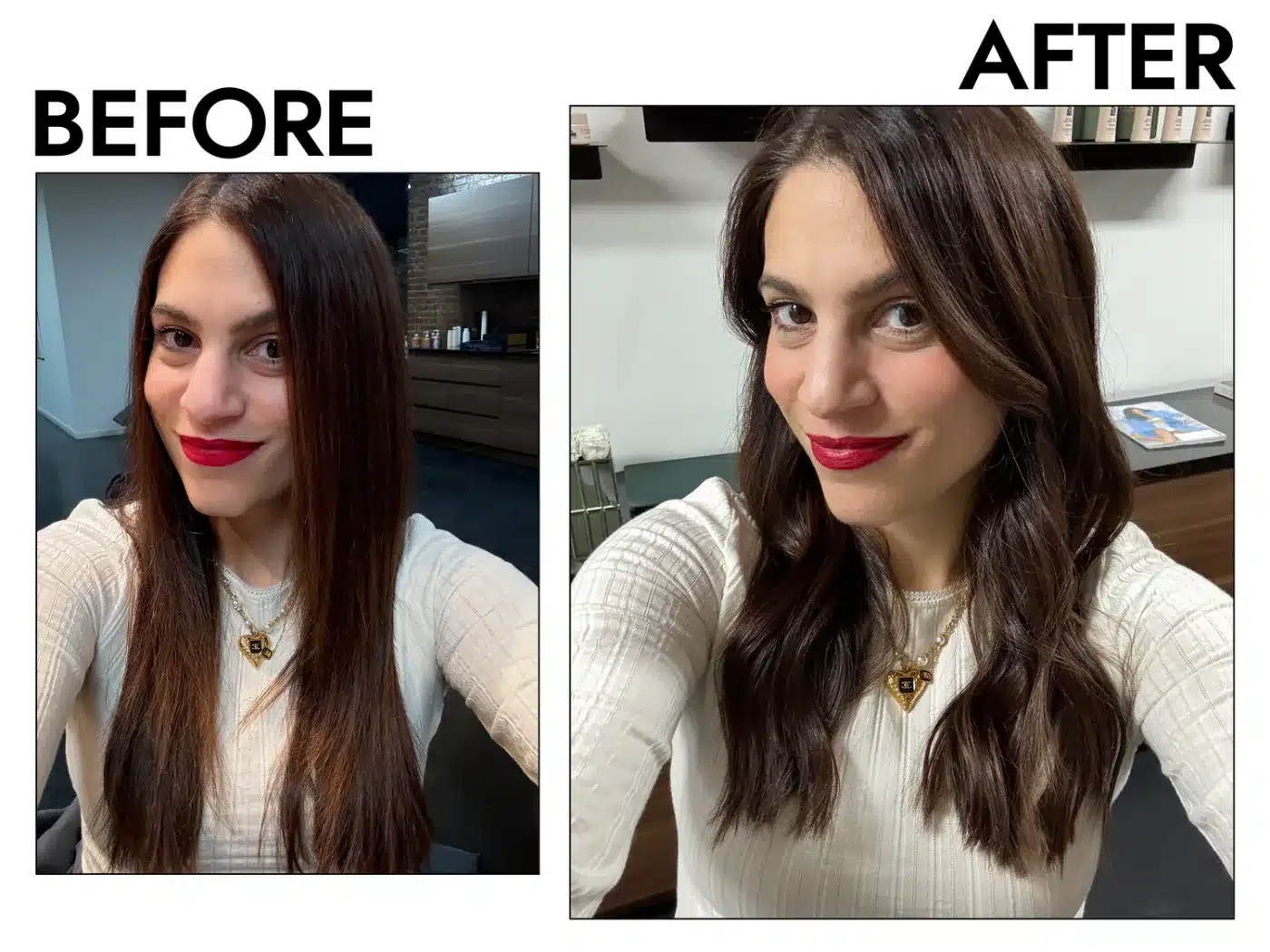
“Uncross your legs,” my hairdresser, Rogerio Cavalcante, directs. “Now, stand up. Run your fingers through your hair.” We are located in Soho, inside Second Floor Salon, going through the routine of a dry haircut. As he walks around me, scissors ready, he makes exact, barely noticeable trims to my pin-straight hair. He is tweaking, perfecting, stepping back, then coming back for one last adjustment. This, I have discovered over the past ten years, is the craft of a dry haircut. And once you try it, returning to the old way is nearly impossible.
Dry haircuts are not a TikTok fad or a flashy new style. They have been steadily used for years, often staying under the radar. I have noticed that most of my friends outside the beauty industry have never heard of this method. “I am not sure who gets credit for starting the dry cutting movement, but you notice it with many stylists in NYC and LA,” says Spoke & Weal master stylist Sarah Manzone. “I have worked in this field for 15 years, and I feel like it really started gaining traction in the mid-2010s.”
Despite growing in popularity over the last ten years, dry cuts still feel like an industry whisper. Most individuals still opt for wet haircuts (and love them), although hair behaves differently when wet and generally requires gentler handling. The American Academy of Dermatology recommends handling wet hair carefully, particularly because wet strands can be more vulnerable to breakage. But if there was ever a time for the phrase, if you know you know, this is it. Because when executed properly, dry haircuts are absolutely wonderful. Once I began getting them, they completely transformed my hair. Below, explore everything you should know about the dry cutting method, from what it involves to why you might want to try one.
Table of Contents
- What It Is
- The Benefits
- Dry Cuts vs. Wet Cuts
- The Process
- Who Should Get a Dry Cut?
- The Final Takeaway
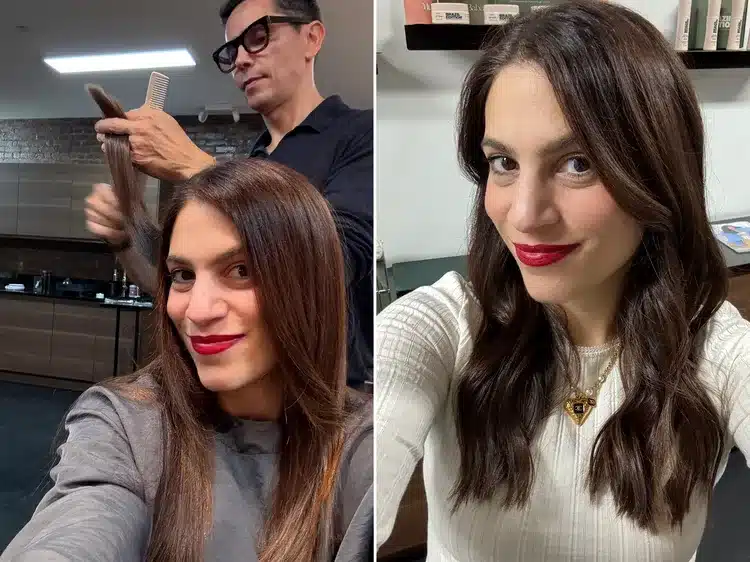
- Rogério Cavalcante is a hairstylist, dry cutting specialist, and colorist based in New York City. He founded Brazil Edition and owns The Second Floor Salon.
- Sarah Manzone serves as a master stylist at Spoke & Weal in NYC, a national salon known for specializing in dry cuts.
- Dhiran Mistry is a hairstylist and owner of The Carriage House, located in Charlotte, North Carolina.
What Exactly Is a Dry Cut?
“A dry haircut is precisely what the name implies,” Cavalcante explains to us. “The hair is trimmed while it is dry, instead of wet. This gives the stylist the ability to observe how the hair naturally falls and moves in real time.”
To help create a clear picture: your hair is completely dry before the scissors appear. The aim is to work alongside your hair instead of against it, according to hairstylist Dhiran Mistry. “When hair is wet, it stretches,” he notes. “There is nothing natural about how hair acts when it is wet, since we do not typically walk around like that all day.”
Consider how your hair appears right after stepping out of the shower: longer, heavier, and temporarily changed. As it dries, it contracts, bends, and settles into its true form. If you receive a wet haircut, this shifting happens while you are in the chair. When you cut hair that is dry, it is already set, allowing your stylist to view the precise length and shape.
The Advantages
Accuracy is the primary benefit when choosing a dry cut. “You finish with a highly precise haircut,” Mistry states. “You maintain control over length, density, and shape throughout the entire process.”
Dry trimming works particularly well for refining layers, removing bulk, and shaping textured hair. “It is a great way to remove weight and shape the hair,” Manzone says. “It is also a great way to see how the hair falls and moves, so you can cut it exactly where you want it to be.”
Dry cutting is also a great way to see how the hair falls and moves, so you can cut it exactly where you want it to be.
Additionally, dry cuts allow stylists to spot uneven growth patterns or split ends that might be hidden when hair is saturated. This means fewer surprises once your hair dries at home, and a much more polished everyday look.
Dry Cuts vs. Wet Cuts
Wet haircuts have been the salon standard for decades, and for good reason. Water helps hair clump together, making it easier to cut straight lines and blend sections quickly. It is also the preferred method for major length removal or dramatic style changes.
However, wet cutting can sometimes lead to unexpected shrinkage or frizz once the hair dries. Dry cutting eliminates that guesswork. While wet cuts excel at speed and blunt precision, dry cuts shine when it comes to customization, texture enhancement, and maintaining the hair’s natural movement.
The Dry Cut Process
When you book a dry cut, your stylist will skip the shampoo bowl and move straight to the styling chair. Your hair will be completely dry, usually brushed or blow-dried to its natural state. From there, the stylist will section the hair and begin trimming, constantly checking how each piece falls and interacts with the rest.
The process tends to take a bit longer than a traditional wet cut, as the stylist works meticulously to perfect the shape. You will likely be asked to move your head, shake out your hair, or stand up so the stylist can see how it behaves in real life. The result is a haircut that looks exactly as intended the moment you walk out the door.
Who Are Dry Haircuts Best For?
While dry cutting works for almost everyone, it is especially beneficial for certain hair types and styles. If you have struggled with wet cuts that never seem to match your expectations once dry, this method might be your new go-to.
Hair Texture
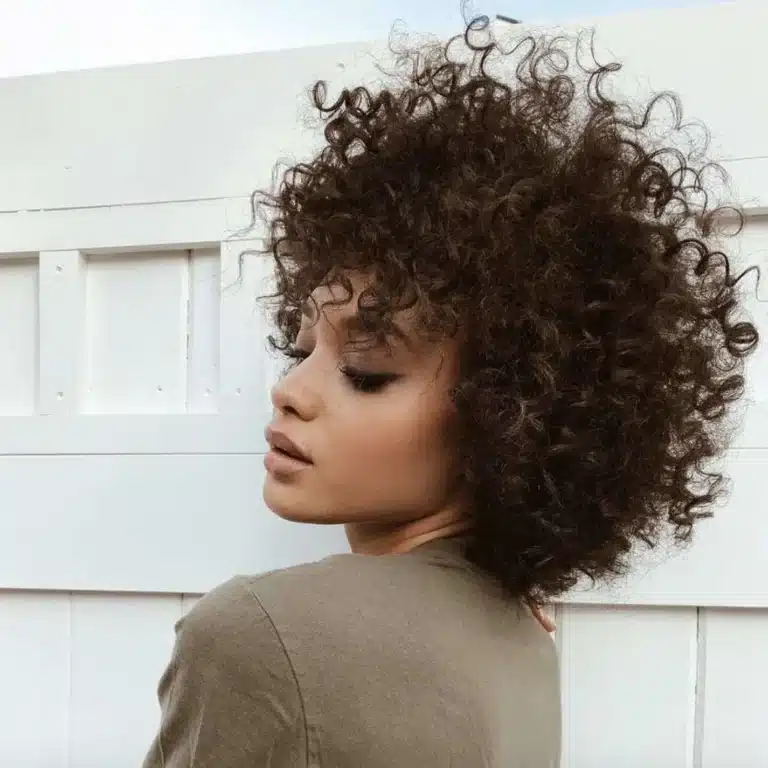
Curly, wavy, and coily hair types benefit immensely from dry cutting. Because water temporarily straightens and elongates curls, cutting wet can lead to unexpected shrinkage and uneven layers. Dry cutting allows the stylist to see the true curl pattern and shape accordingly.
Fine or thin hair also responds well to dry trimming. Since fine strands can easily become weighed down or look choppy when cut wet, dry cutting helps maintain volume and ensures each piece blends seamlessly without over-thinning.
Thick or dense hair types can also enjoy dry cuts, particularly when the goal is to remove bulk without sacrificing shape. The stylist can precisely target heavy areas and create movement that feels natural rather than blunt.
Even straight hair benefits from dry cutting, as it allows for exact length control and refined layering. If your hair tends to fall flat or look uneven after a wet trim, dry cutting can restore balance and polish.
Ultimately, dry cutting is about working with your hair’s natural behavior rather than against it. No matter your texture, the method prioritizes precision and real-world results.
Hair Styles
Dry cuts are ideal for layered looks, shags, bobs, and any style that relies on movement and texture. If you want a haircut that frames your face perfectly or adds volume where you need it most, dry cutting delivers.
They are also perfect for maintenance trims. If you already love your shape but need to refresh the ends or remove split ends, a dry cut ensures you keep exactly what works while cleaning up what does not.
The Final Takeaway
Dry cutting is not a trend; it is a precision-focused technique that prioritizes your hair’s natural state. By skipping the water and cutting dry, stylists can see exactly how your hair falls, moves, and behaves in real life. The result is a more accurate, customized, and long-lasting shape that requires less guesswork and more confidence.
- Dry cuts offer superior precision and shape control compared to traditional wet trims.
- They are especially beneficial for curly, wavy, fine, and thick hair types.