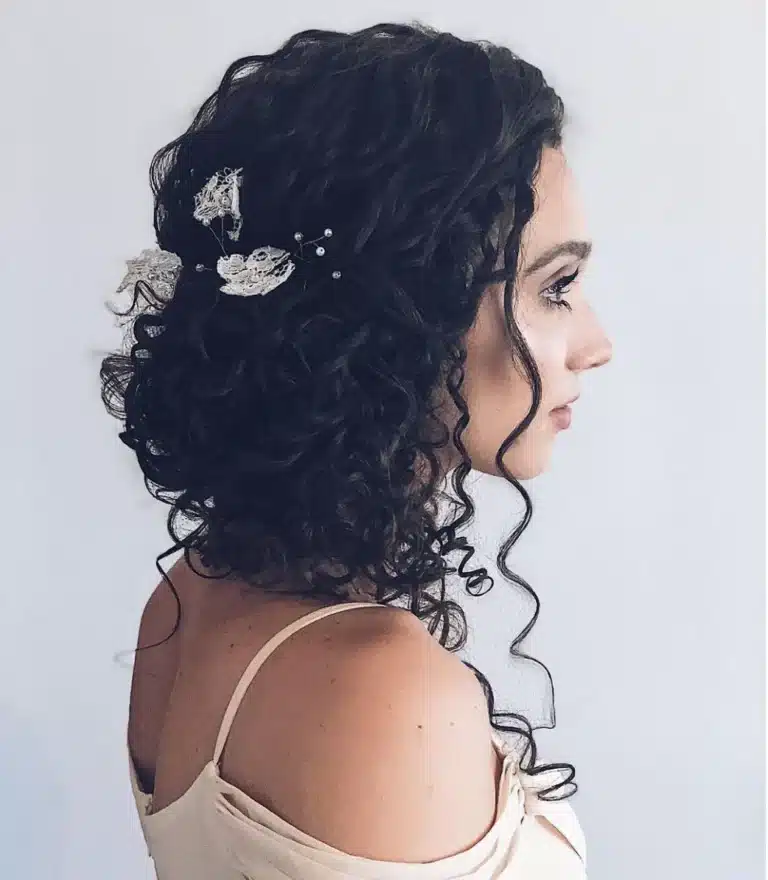
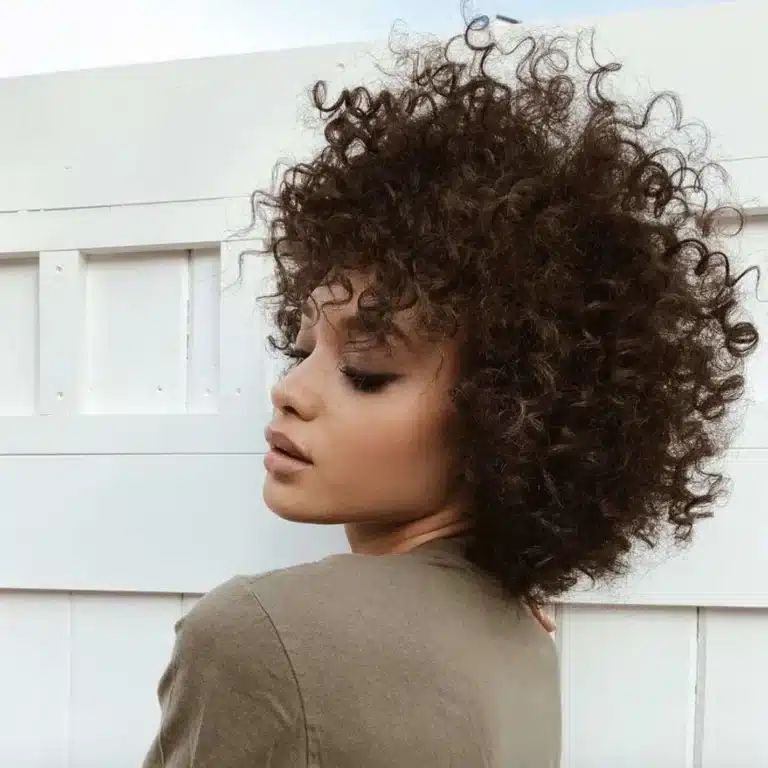
Haircut Ideas for Women should help you compare shape, length, texture, and maintenance before choosing a salon reference. This complete guide organizes 6 active haircut collections from Insponails so you can move from broad inspiration to the exact cut that suits your hair and routine.
A flattering result is not determined by age or face shape alone. Density controls how much weight the perimeter needs, curl pattern changes the finished length, and growth direction influences fringe and parting. The best haircut uses those realities instead of fighting them every morning.
Haircut Ideas for Women at a Glance
- Fine hair: prioritize a strong perimeter or controlled crown lift.
- Thick hair: remove internal weight without making the ends look disconnected.
- Curly hair: plan around shrinkage, pattern, and dry shape.
- Low maintenance: choose a cut that follows natural fall and realistic styling habits.
How to Choose a Haircut That Works in Real Life
Begin with the outline. A blunt perimeter looks strong and polished, graduation builds volume through the back, and long layers create movement while preserving length. Short internal layers can increase texture, but they should be placed deliberately so the ends still appear healthy.
Next, decide where you want visual attention. Curtain bangs and face-framing pieces emphasize the cheekbones and eyes; a clean jaw-length bob highlights the neckline; crown layers create height; and a longer front can soften a compact nape. These choices matter more than following one trend mechanically.
| Hair goal | Useful haircut direction | Consultation question |
|---|---|---|
| Fuller-looking fine hair | Blunt bob, soft graduation, controlled pixie | How much weight should stay at the perimeter? |
| Movement in thick hair | Internal layers, shag, long face framing | Where can weight be removed without thinning the ends? |
| Natural curl definition | Rounded layers, curly bob, tailored fringe | How will shrinkage change the finished length? |
| Easy grow-out | Soft lob, longer pixie, blended layers | Which areas will lose shape first? |
Explore 6 Haircut Collections
The collections below separate the major haircut directions—bobs, bangs, shags, pixies, layered shapes, and seasonal updates—so each decision remains easy to compare. Every destination stays within the original Insponails Haircuts library and preserves a clear category boundary.
1. 34 Sleek Bob Haircuts With Bangs That Feel Fresh and On-Trend
Collection 1 concentrates attention on the fringe, jawline, and strength of the perimeter; compare blunt, rounded, and softly textured versions before choosing the amount of daily bang styling. Use its own image below to judge the silhouette and save only references whose density and texture resemble your hair.
Explore: 34 Sleek Bob Haircuts.

2. 35 Gorgeous Wedding Hairstyles for Brides with Long Hair
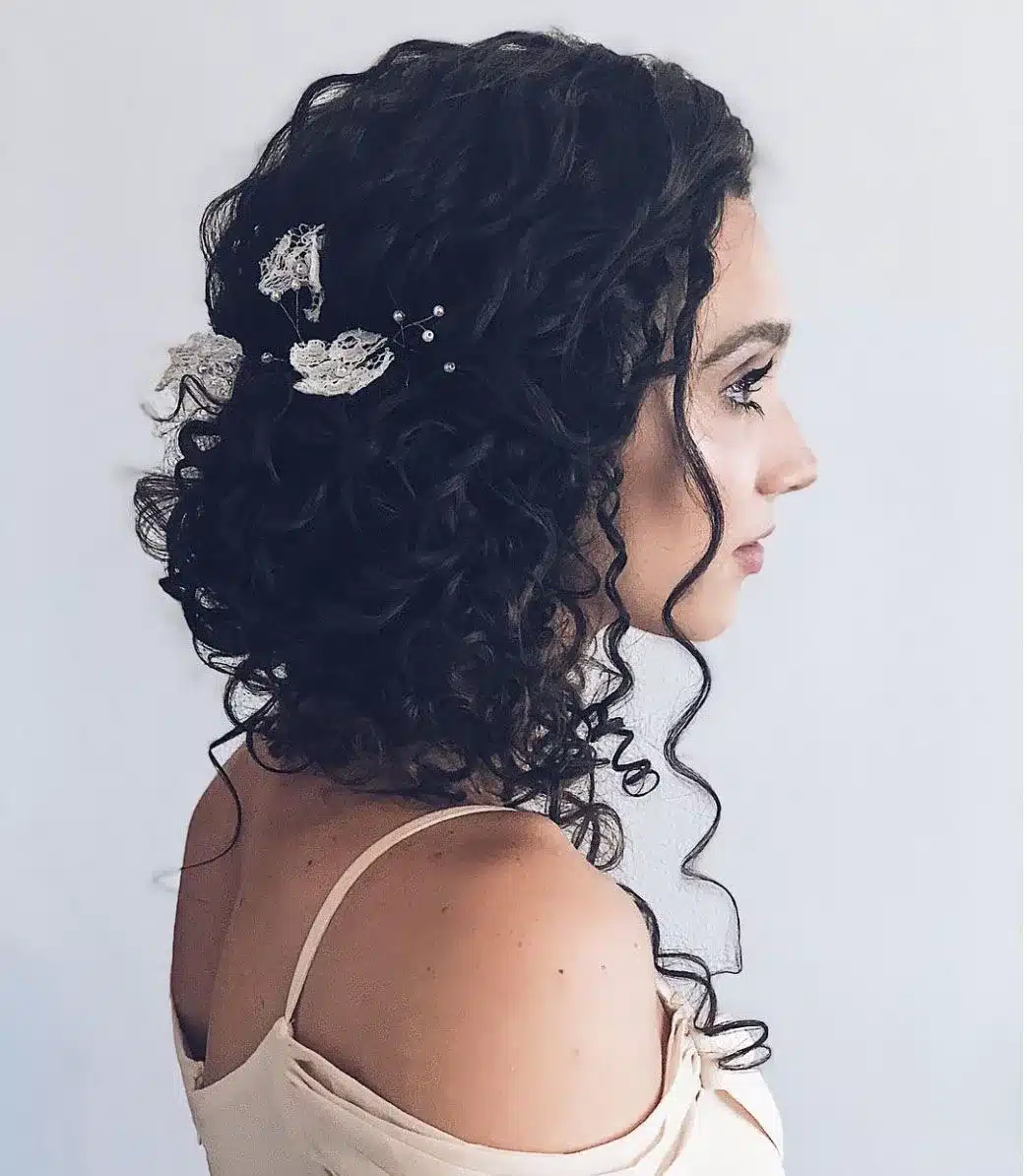
Collection 2 keeps overall length while using face framing and restrained internal layers to add movement without leaving the perimeter sparse. Use its own image below to judge the silhouette and save only references whose density and texture resemble your hair.
Explore: 35 Gorgeous Wedding Hairstyles.
3. 35 Short Brown Hairstyles You'll Be Seeing Everywhere
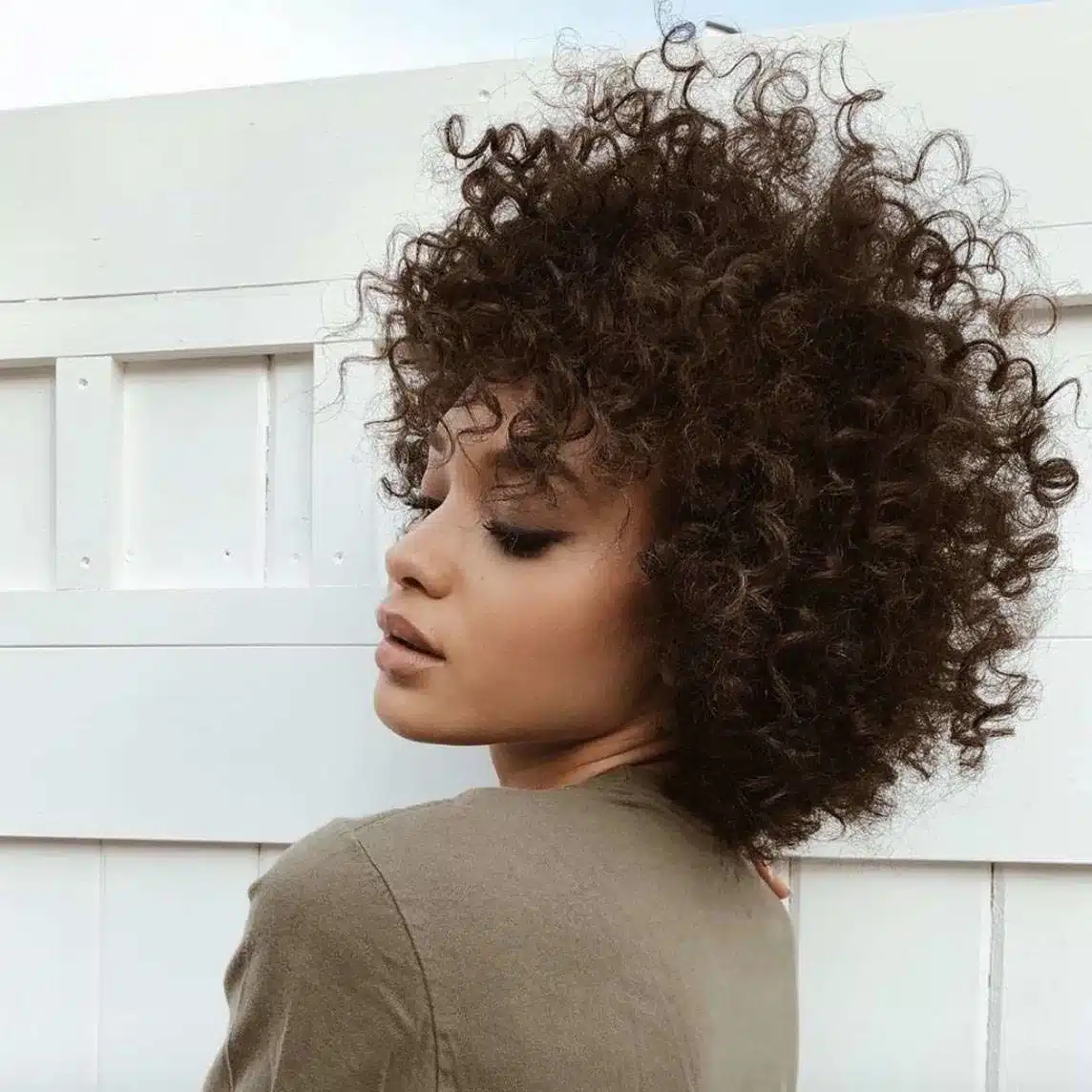
Collection 3 uses shape and surface texture to make brunette tones look dimensional, with particular attention to clean ends, light-catching layers, and face framing. Use its own image below to judge the silhouette and save only references whose density and texture resemble your hair.
Explore: 35 Short Brown Hairstyles.
4. 32+ Hairstyles For Women Over 50 With Fine Hair
Collection 4 focuses on preserving visible density, strengthening the outline, and creating lift without excessive thinning or disconnected layers. Use its own image below to judge the silhouette and save only references whose density and texture resemble your hair.
Explore: 32 Hairstyles 50 Fine.
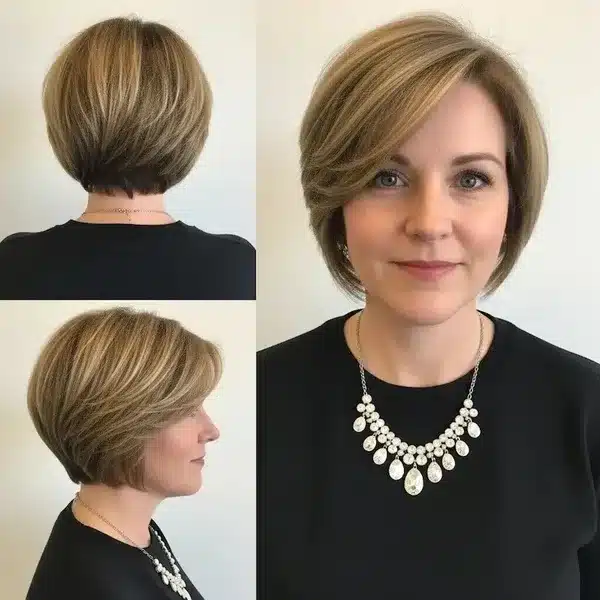
5. 40+ Fresh Pixie Haircuts For Women Over 60
Collection 5 shows how short proportions can be adjusted through the crown, temples, fringe, and nape while keeping the finished cut flattering and practical. Use its own image below to judge the silhouette and save only references whose density and texture resemble your hair.
Explore: 40 Fresh Pixie Haircuts.
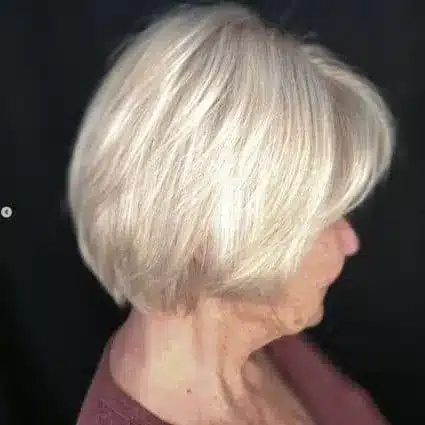
6. 30+ Radiant Short Hairstyles For Women Over 70 With Fine Hair
Collection 6 focuses on preserving visible density, strengthening the outline, and creating lift without excessive thinning or disconnected layers. Use its own image below to judge the silhouette and save only references whose density and texture resemble your hair.
Explore: 30 Radiant Short Hairstyles.
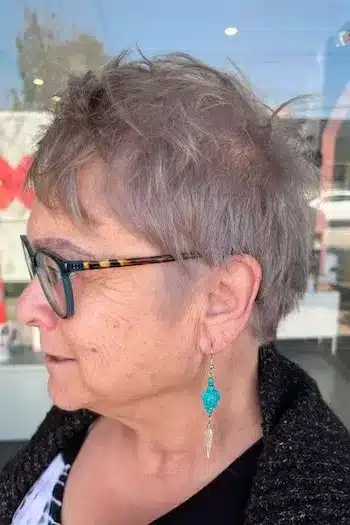
Match the Cut to Density and Texture
Fine hair usually benefits from visible structure. A blunt or gently graduated outline can make the ends appear denser, while shorter crown layers create lift when they are not over-thinned. Thick hair needs a different strategy: internal weight can be released so the silhouette moves without forming a bulky triangle.
Wavy and curly patterns require enough length for the pattern to form. Ask whether the intended cut will be shaped dry, wet, or with a combination of both, and discuss shrinkage before committing to a fringe or shorter perimeter. Straight hair shows every line clearly, making balance and precision especially visible.
Fringe, Parting, and Face-Framing Decisions
Fringe changes the visual balance quickly. Full bangs create a strong horizontal line, curtain bangs open around the face, side-swept fringe adds asymmetry, and wispy pieces soften a heavier perimeter. Cowlicks and natural partings should be considered before the fringe is cut, not corrected afterward with excessive heat.
Face framing can refresh a long or medium cut without removing the overall length. Decide where the shortest piece should land and whether it must tuck behind the ear. The answer affects how the style behaves during work, exercise, and daily movement.
Short, Medium, and Long Haircut Tradeoffs
Short cuts expose the outline and can feel light, modern, and deliberate, but precise pixies, fringes, and napes generally show growth sooner. Medium lengths offer flexibility: they can preserve movement, work with several partings, and usually allow enough length for tying back. Long cuts retain styling options, yet they need thoughtful layering so the shape does not become heavy at the crown or sparse at the ends.
Choose length according to behavior as well as appearance. Consider whether the hair must fit into a ponytail, whether glasses compete with the fringe, how humidity changes the texture, and which areas you are comfortable styling. A photograph taken on a polished salon day is useful inspiration, but the everyday test is how the cut behaves after ordinary washing and air-drying.
Maintenance and Grow-Out Planning
Maintenance is part of the design. A sharp geometric bob can remain attractive as it grows, but its line gradually changes; a soft shag may tolerate more length while the fringe needs attention sooner. Ask the stylist which zone will lose its intended balance first and whether a smaller fringe or neckline appointment can extend the full haircut.
At home, use styling methods that support the cut rather than forcing a different shape. Direct roots where lift is needed, preserve natural bend when movement is the goal, and avoid removing additional weight with unplanned thinning. If the haircut requires a daily routine you will not maintain, adjust the structure before leaving the consultation.
Salon Consultation Checklist
- Bring references with similar density and natural texture.
- Explain which detail matters most: fringe, nape, crown, perimeter, or length.
- Describe how often you use heat and how much styling time is realistic.
- Ask how the cut will grow and when the first maintenance trim is likely needed.
- Confirm whether color placement should reveal or soften the layer pattern.
Healthy handling supports the finished shape. The American Academy of Dermatology healthy-hair guidance recommends choosing products for the hair type, conditioning appropriately, handling wet hair gently, and limiting excessive heat.
Frequently Asked Questions
How do I choose the most flattering haircut?
Start with hair density, natural texture, growth pattern, face-framing preference, and realistic styling time. A stylist can then adjust the perimeter and layers to balance those factors.
Which haircut makes fine hair look fuller?
Blunt bobs, softly graduated shapes, and controlled pixie layers can strengthen the outline or create crown lift. Excessive thinning can make already-fine ends look sparse.
How often should a haircut be trimmed?
A precise fringe, pixie, or sharp bob usually loses its intended outline sooner than a long layered cut. Trim timing should follow the shape, growth rate, and how polished you want the perimeter to remain.
What should I bring to a haircut consultation?
Bring two or three reference photos with a texture and density similar to yours, then explain what you like about the fringe, nape, crown, length, and maintenance level.
Build Your Haircut Inspiration Plan
Use this haircut ideas for women pillar as a decision map, not a rulebook. Save the collections that match your texture and maintenance level, narrow them to two or three realistic references, and let your stylist adapt the proportions. As new haircut clusters are added to Insponails, this guide can expand without creating competing pages for the same broad intent.